
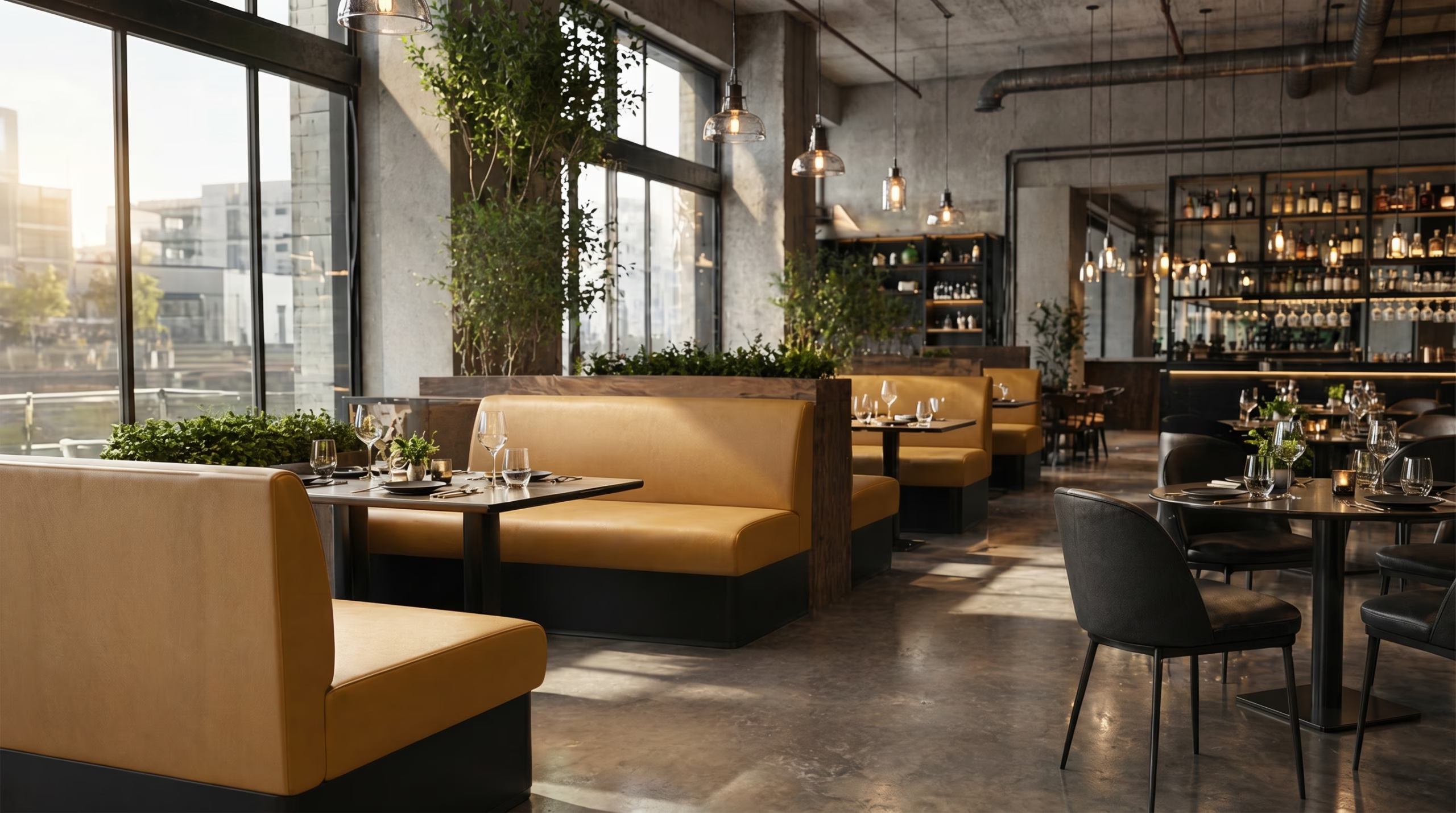
In hospitality, fabrics don’t sit still, they work. From the first morning coffee service to late-night dining, upholstery is constantly exposed to spills, cleaning products and repeated use.
For manufacturers like our valued customer HCF Contract Furniture, contract fabrics are a core part of how booth and banquette seating performs over time. The right material ensures seating not only looks consistent across an installation, but continues to hold up under real-world conditions. This is where specialist suppliers like Care & Leisure Textiles play a vital role, providing fabrics that are designed for hospitality use, not just display.
How Contract Fabrics Perform in Restaurant Seating
In a live environment, restaurant upholstery is under continuous strain. Guests slide in and out of seats, lean against backrests and apply constant pressure to seat pads. In busy venues, this happens hundreds of times per week.
On fixed seating like booth and banquette seating, fabric performance becomes even more important. Unlike loose chairs, booths cannot be rotated, so wear is concentrated in specific areas.
For manufacturers, this means selecting fabrics that:
- Resist abrasion from repeated use
- Maintain colour consistency across high-traffic zones
- Withstand frequent cleaning without degradation
Real-World Use: Booth and Banquette Seating
Banquette seating is one of the most demanding applications for upholstery fabrics. Long runs of seating mean even small differences in wear or cleaning performance become visible over time.
Manufacturers like HCF build made-to-measure seating where fabric selection is considered alongside layout, usage and expected lifespan. In practice, the goal is simple: ensure the seating looks as consistent after years of use as it does on day one.
For a deeper look at how these seating formats are used across hospitality spaces, see The Ultimate Guide to Commercial Booth & Banquette Seating.
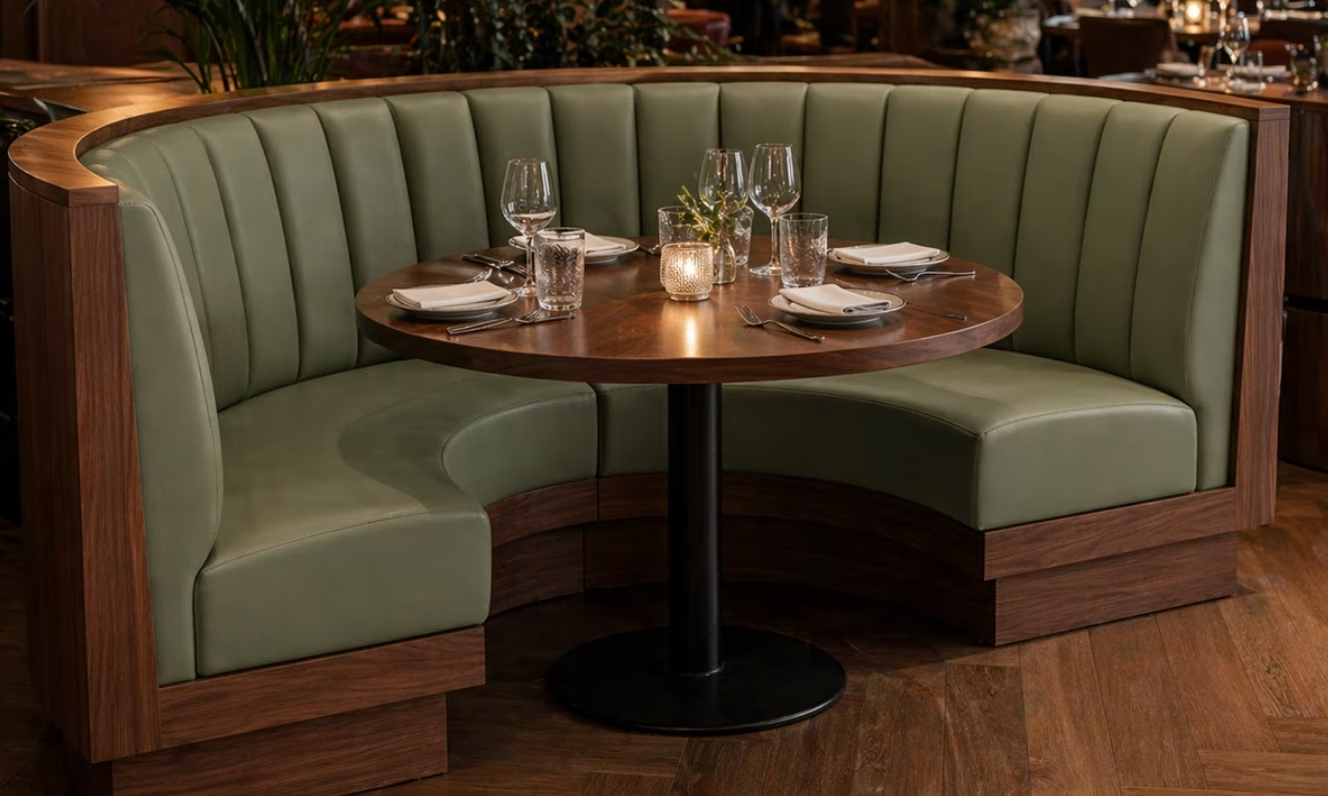
Stain Resistance and Cleaning in Hospitality
Spills are unavoidable in restaurants, pubs and cafés. Coffee, wine, sauces and oils all behave differently, but the requirement is the same, fabrics must be easy to clean, quickly.
In high-turnover venues, staff often wipe seating between every cover. Over time, this repeated cleaning can be just as demanding as the spills themselves. Fabrics need to cope with both.
The most effective contract fabrics:
- Allow spills to be wiped away before absorption
- Clean consistently without leaving marks or halos
- Maintain their finish after repeated chemical cleaning
This is what makes easy-clean upholstery fabrics essential in hospitality – not as a luxury, but as a practical requirement.
Recommended Fabric Ranges for Booth and Banquette Seating
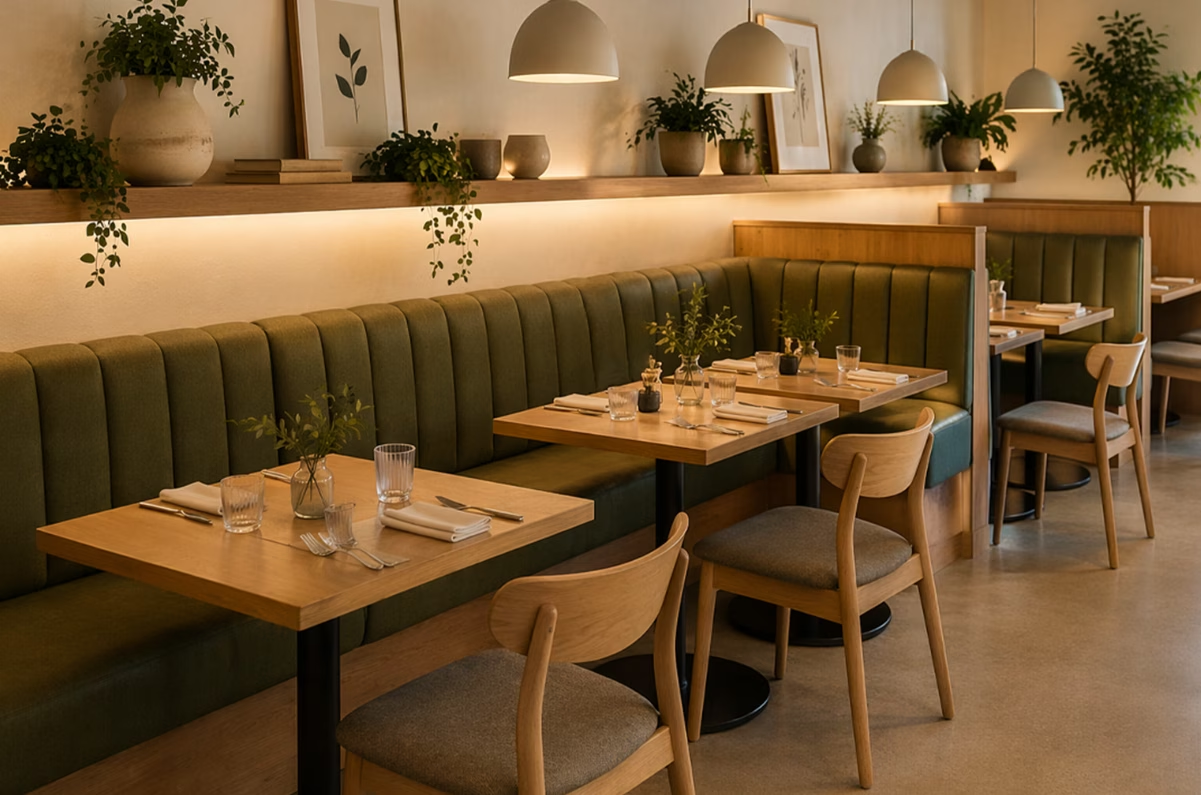
When specifying fabrics for booth seating, the balance between durability, cleanability and appearance is key. Care & Leisure Textiles offer a range of materials that are well suited to different hospitality environments.
A soft, velvety fabric that brings a refined, tactile quality to seating. Often used in hotel lobbies, breakout areas and more relaxed dining spaces, it works well where comfort and visual warmth are priorities. In booth seating, it’s typically suited to lower-impact areas or venues where dwell time is longer and wear is more moderate.
A soft yet hard-wearing faux leather designed for durability. This type of material is particularly effective in busy restaurant environments where frequent cleaning is required. Its smooth surface makes it easy to wipe down, making it a practical choice for high-traffic banquette seating.
A characterful faux leather with a more traditional, worn-in aesthetic. Ideal for pubs and rustic hospitality interiors, it combines visual texture with the practical benefits of a wipe-clean surface. In banquette seating, it performs well in venues where both durability and atmosphere are important. These types of fabrics are commonly specified by manufacturers like HCF, depending on the style of venue and expected usage levels.
How Fabric Choice Varies by Venue Type
Different hospitality settings place different demands on upholstery, and fabric selection reflects this.
In pubs and casual dining spaces, durability and ease of maintenance are key. Fabrics must cope with heavy use, outdoor clothing and frequent cleaning throughout the day.
In mid-range restaurants, there’s often a balance between performance and appearance. Fabrics need to be robust, but also contribute to the overall design scheme.
In premium environments, texture and finish become more prominent. However, even here, fabrics must still meet the practical demands of a commercial setting—particularly when used on fixed seating.
Across all venues, the aim is to ensure fabrics support both the look and long-term usability of the space.
How Commercial Upholstery Fabrics Age Over Time
All fabrics change over time, especially in high-traffic hospitality environments. The difference lies in how they wear. Well-chosen contract fabrics tend to age evenly, maintaining a consistent look across seating runs. Lower-quality materials often show uneven wear, with visible fading or patchiness in high-use areas.
Common signs of ageing include:
- Gradual softening of seat pads
- Slight smoothing of fabric texture
- Subtle changes in colour tone
When fabrics are specified correctly, these changes happen uniformly, helping the seating retain its overall appearance for longer.
Supporting Real Hospitality Projects
For manufacturers, fabric choice is not just about aesthetics, it’s about ensuring seating performs in the environment it’s built for. Care & Leisure Textiles supports this process by providing contract upholstery fabrics that align with real hospitality use. By working closely with manufacturers like HCF Contract Furniture, they help ensure that booth and banquette seating performs as expected, day after day, service after service.
The result is seating that not only looks right at installation, but continues to deliver in the long term.
FAQs: Contract Fabrics in Hospitality
What fabrics are best for restaurant booth seating?
Durable, easy-clean contract fabrics are best, particularly those that resist wear, handle frequent cleaning and maintain a consistent appearance over time.
Are faux leathers suitable for hospitality seating?
Yes. Faux leathers are widely used due to their durability and wipe-clean properties, especially in high-traffic environments.
How important is fabric choice in commercial seating?
It’s critical. Fabric affects not just appearance, but how seating performs, cleans and ages in real-world conditions.
Do softer fabrics work in hospitality settings?
They can, particularly in lower-traffic or premium environments, but they must still meet contract-grade performance standards.
 Introducing Our New Digital Print Designs